


Explore our lift solutions
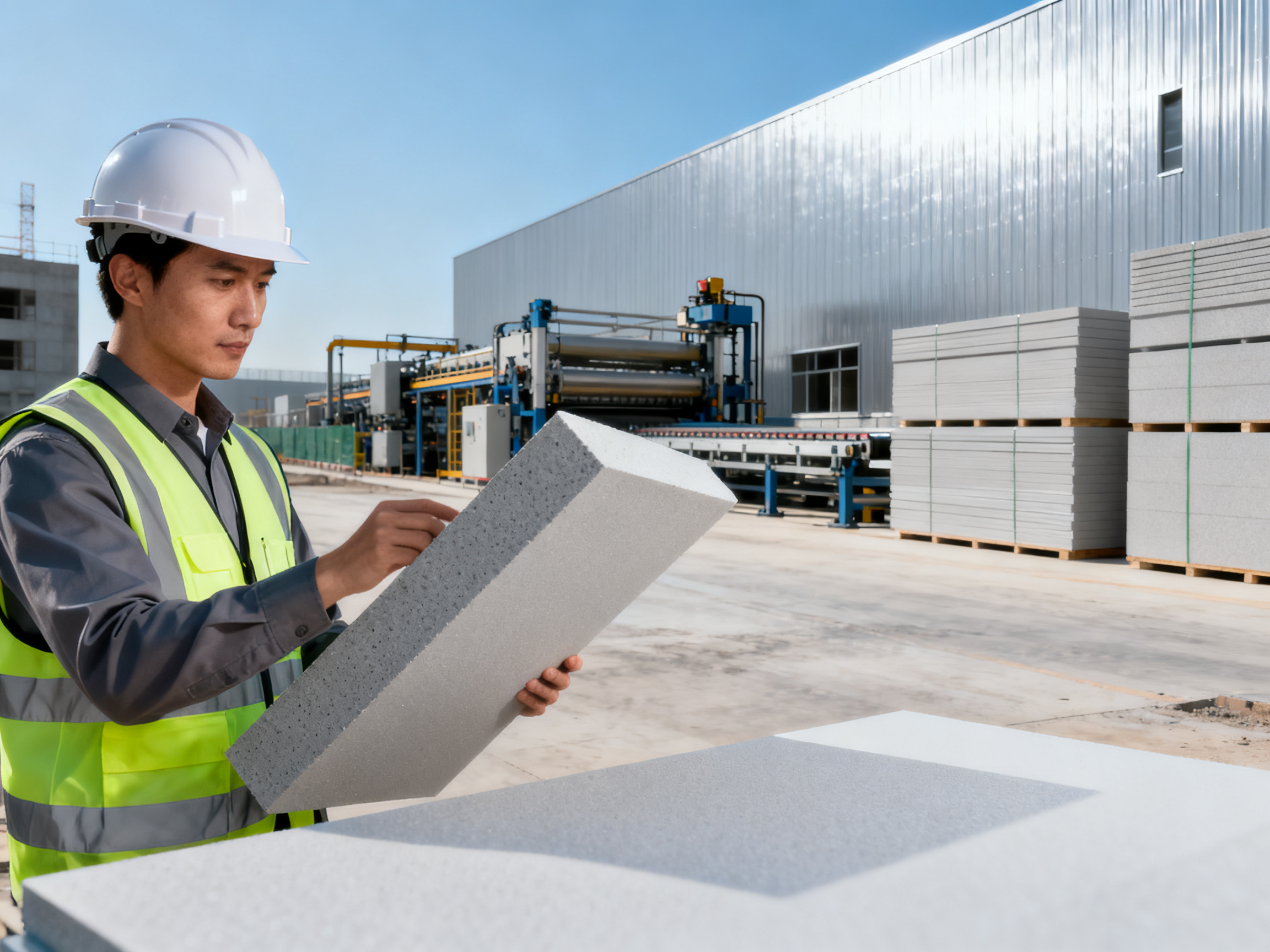
Selecting the right XPS insulation board is critical to ensuring energy efficiency, durability, and cost performance in large-scale construction projects.
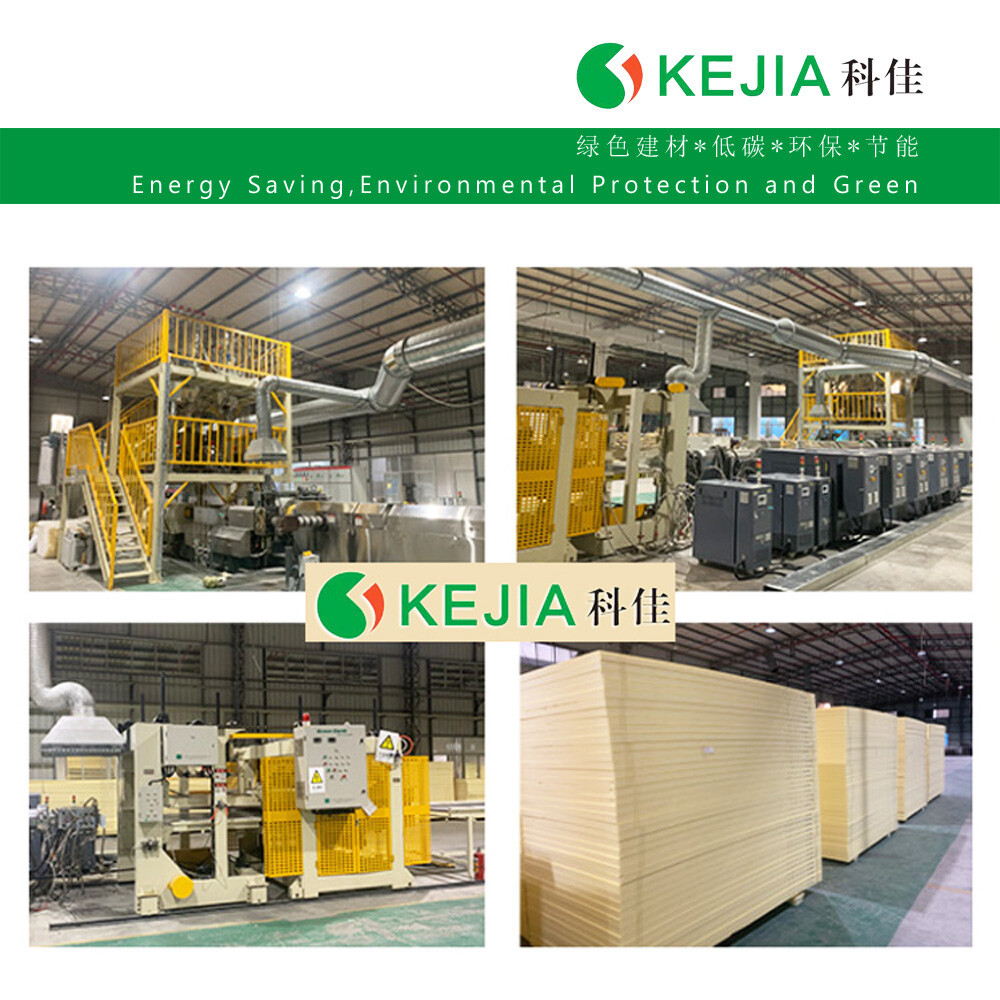
In 2026, as green building standards continue to evolve, understanding product specifications, compressive strength, and environmental benefits becomes essential. Guangdong Kejia Energy Saving Technology Co., Ltd. provides innovative XPS insulation board solutions designed to meet the demands of contractors, distributors, and project managers pursuing high-quality, sustainable wall materials. With over 10,000 square meters of production facilities and decades of expertise inherited from Shenzhen Kejia Industrial Development Co., Ltd., Kejia Energy Saving is dedicated to advancing building insulation technology that reduces energy consumption and enhances performance under diverse climatic conditions. This article explores how to choose the right XPS insulation board to ensure project success while aligning with sustainability trends.
Definition and Overview of XPS Insulation Boards
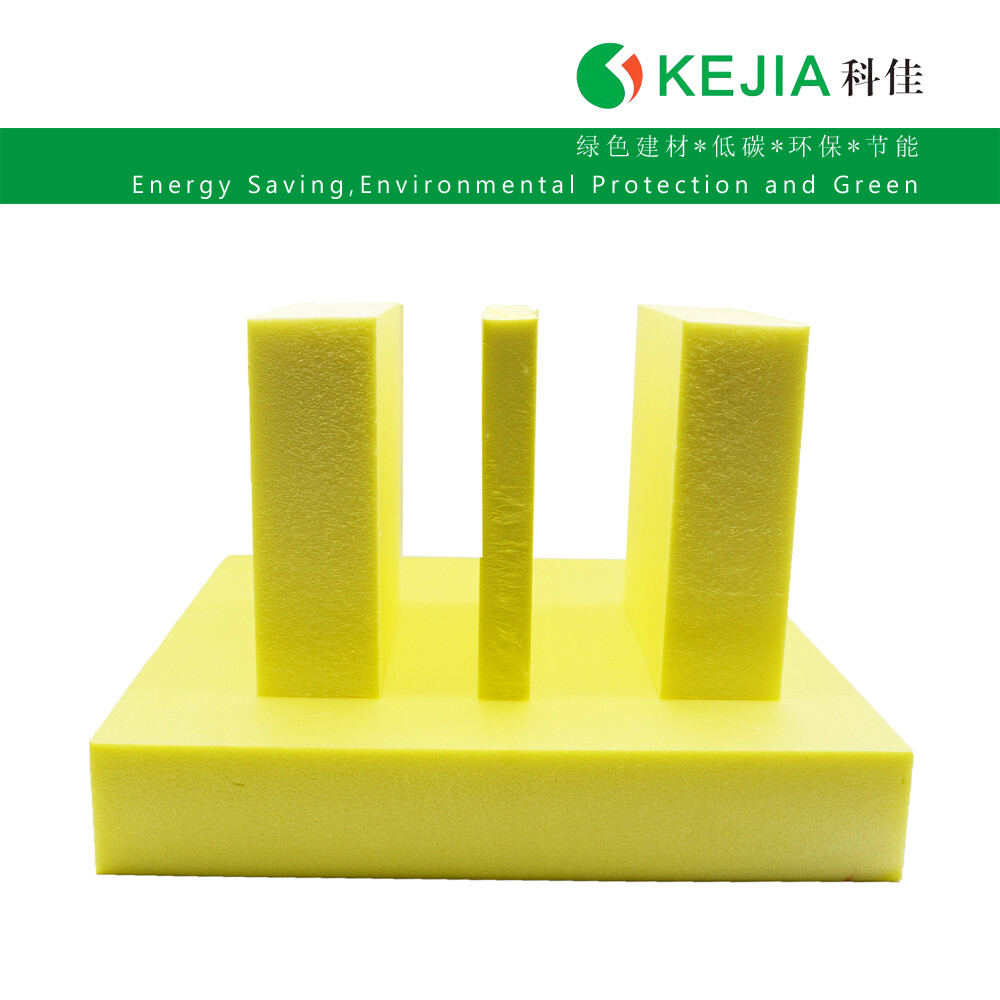
XPS insulation boards, also known as extruded polystyrene boards, are closed-cell foam materials produced through an extrusion process that creates a consistent, smooth surface and internal honeycomb structure. This structure endows XPS insulation boards with excellent compressive strength, low thermal conductivity, and outstanding water resistance. These characteristics make them an ideal choice for wall systems, roofing, and underground insulation. In large-scale construction projects, the consistency of performance and durability across various site conditions become key selection criteria. Choosing an XPS insulation board such as those developed by Kejia Energy Saving allows engineers and purchasers to meet modern performance expectations for energy-efficient buildings. Kejia’s XPS insulation products offer compressive strengths from Kpa150 to Kpa700, ensuring flexibility across multiple applications including residential complexes, commercial centers, and industrial warehouses. Their advanced extrusion techniques guarantee density uniformity and long-term dimensional stability, enabling lower energy loss and better climate control throughout the building’s lifecycle. Understanding how these boards function at a material and structural level helps purchasers make informed decisions that balance cost and quality performance effectively.
Market Overview and Industry Trends in 2026
The global wall materials and insulation market in 2026 continues to experience robust growth driven by sustainable construction practices and new environmental policies targeting energy efficiency. Many countries and regions now require insulation systems to meet high thermal performance standards, emphasizing recyclable materials and low carbon footprints. According to industry reports, demand for XPS insulation boards is expected to rise by over 6% annually. This growth is fueled by increasing investment in smart cities, green residential zones, and large public infrastructure projects. For purchasing managers and distributors, these trends signal a shift toward suppliers that can provide high consistency, reliable logistics, and flexible customization. Guangdong Kejia Energy Saving Technology Co., Ltd., located in Huiyang District, Huizhou City, Guangdong Province, is strategically positioned to supply these expanding markets with products that comply with stringent environmental requirements. The company’s R&D-driven production ensures every XPS insulation board meets or exceeds compression strength and thermal resistance standards. As construction technology moves toward digital and modular building, the need for lightweight insulation systems with high load-bearing capacity will increase further. Kejia’s modernization efforts and green production credentials enable partners to maintain competitiveness under tightening global sustainability regulations.
Technical Performance and Specifications
Technical parameters remain the cornerstone of selecting the best XPS insulation board for large-scale projects. When analyzing materials, purchasers should pay close attention to key performance indices: compressive strength, density, thermal conductivity, water absorption rate, and fire retardancy. Kejia Energy Saving’s advanced extruded insulation boards maintain compressive strengths ranging from Kpa150 for wall applications up to Kpa700 for heavy-duty load-bearing or foundation zones. Their thermal conductivity is exceptionally low, typically between 0.028–0.030 W/(m·K), ensuring significant energy savings under heating and cooling scenarios. In addition, their water absorption rate remains below 0.2%, a critical factor in humid or underground environments. The sound insulation properties further enhance indoor comfort. The following summary illustrates typical technical criteria for XPS insulation boards used in professional projects.
Procurement and Selection Guide
For procurement professionals and distributors, the process of selecting XPS insulation boards extends beyond unit cost evaluation. Evaluating supplier capability, product certification, after-sales support, and logistical performance are decisive. Guangdong Kejia Energy Saving Technology Co., Ltd. integrates R&D, production, and on-site installation technical guidance, giving contractors data-backed confidence in performance consistency. When choosing a suitable board, decision makers should:
1) define precise compressive strength and thickness based on design loads;
2) review quality certifications such as ISO9001 or CE marks to ensure international compliance;
3) analyze the compatibility with wall systems or composite claddings; and
4) verify long-term thermal aging performance. Kejia Energy Saving’s technical team can assist in product selection by simulating thermal and structural conditions of different regions to ensure optimal performance.
Large projects often involve tight schedules and complex collaboration chains; partnering with a stable supplier like Kejia mitigates the risk of delay or defective material delivery. Moreover, Kejia’s optimized extrusion process provides dimensional stability that simplifies onsite cutting and fitting, reducing waste and improving installation speed. For distributors, this means improved turnover efficiency and customer satisfaction.
Comparison Analysis: XPS vs. Other Insulation Materials
When comparing XPS insulation boards with alternatives like expanded polystyrene (EPS) and polyurethane boards, several distinctions become apparent. XPS offers stronger compressive strength, lower water absorption, and smoother cutting surfaces compared to EPS. While polyurethane foams may achieve slightly lower thermal conductivity, they typically carry higher costs and less recyclability. XPS insulation boards from Kejia Energy Saving bridge the gap between performance and affordability, providing an ideal compromise for cost-conscious large-scale projects. Their consistent production quality ensures that each panel maintains uniform cell structure, avoiding weak points during mechanical load. For construction projects in humid regions or near-water areas, XPS’s closed-cell design prevents infiltration, which is critical for maintaining insulation efficiency. Kejia’s continuous advancement in extrusion and surface treatment technology further improves adhesion strength for use with mortars and composite panels. Through responsible material selection, purchasers and agent distributors can deliver buildings that meet both eco-design requirements and operational performance goals.
Case Studies and Real-world Applications
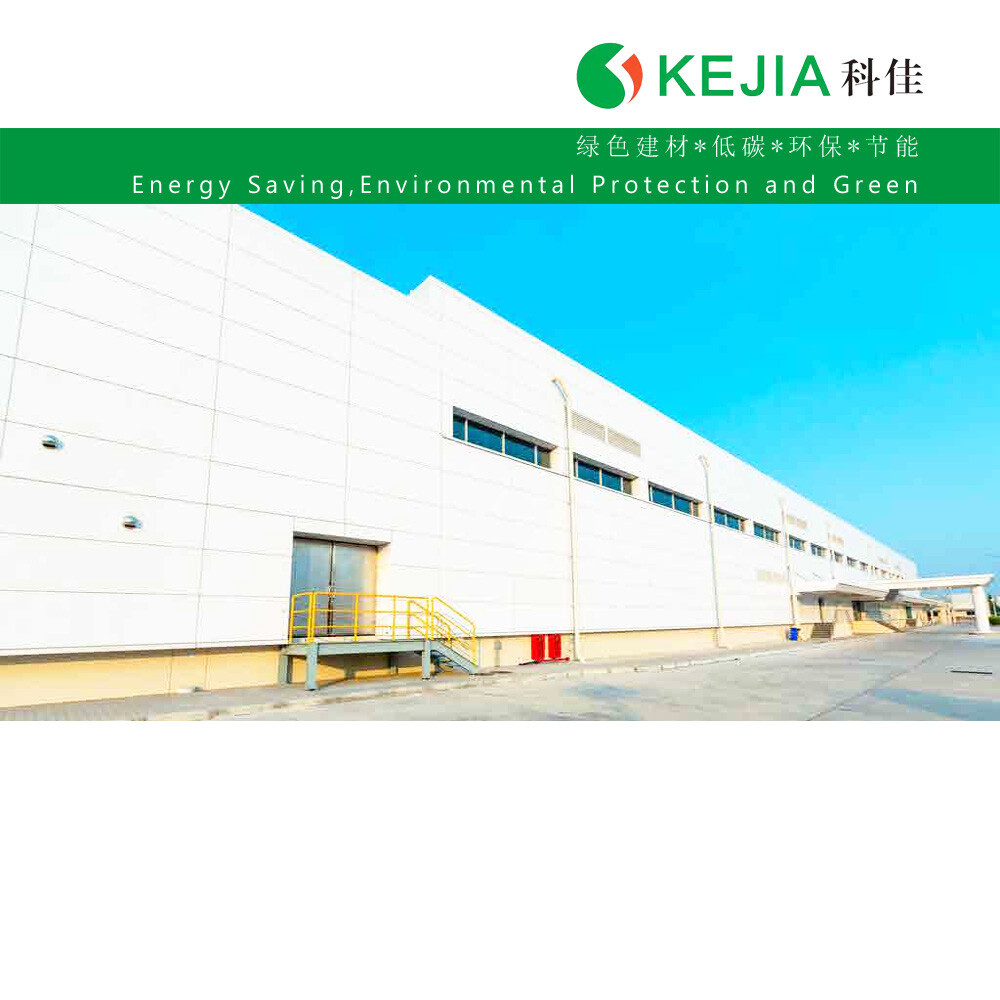
Numerous successful projects have adopted Kejia Energy Saving’s XPS insulation boards as core wall and roof materials. For instance, in a recently completed large commercial complex across South China, Kejia XPS insulation boards with 400 kPa compressive strength were used in underground and external wall layers. Installation teams reported reduced cracking and fast bonding performance due to precise dimensional control. Another case involved residential development near coastal zones where consistent humidity threatened structural longevity. Using XPS boards with superior water resistance, the project achieved significant maintenance cost reduction over five years. These practical outcomes illustrate that investing in high-grade XPS insulation boards not only ensures compliance with energy codes but also translates directly into long-term operational savings.
Purchasers surveying new suppliers can analyze case data on load endurance, inspection reports, and performance audits, all available from Kejia Energy Saving upon request. By basing procurement decisions on concrete evidence and field validation, decision-makers can advocate for reliable, durable insulation strategies across large project portfolios.
Trends and Future Insights for XPS Insulation Boards
Looking toward 2024 and beyond, several trends will define the XPS insulation board industry’s direction. The adoption of carbon-neutral manufacturing, digitalized production quality monitoring, and recyclable material compositions will become standard expectations. Kejia Energy Saving is at the forefront of integrating intelligent automation within its Huizhou plant to maintain consistent product quality while minimizing environmental impacts. The drive for “smart building envelopes” highlights the need for insulation materials with integrated sensors or compatibility with IoT-based energy monitoring. In response, Kejia collaborates with research institutions to explore next-generation insulation composites combining XPS with reflective or phase-change materials for enhanced efficiency. From a market perspective, distributors must prepare for these transitions by aligning with suppliers offering ongoing innovation pipelines and technical transparency. Global certification protocols are tightening, with environmental product declarations (EPD) and life-cycle analyses (LCA) increasingly becoming prerequisites for procurement in public tenders. Companies like Kejia that maintain sustainable sourcing and continuously upgrade production standards will hold competitive advantages in future green construction ecosystems. By staying informed about these developments, purchasers ensure continuity between present investments and future regulations.
FAQ & Common Misconceptions
A frequent misconception about XPS insulation boards is that higher density always equates to better insulation performance. In reality, beyond a certain density threshold, thermal resistance improvement is marginal while cost and weight increase disproportionately. The key lies in choosing balanced performance levels suited to the intended application. Another common question concerns environmental safety. Kejia’s XPS boards are produced without CFCs or HCFCs, aligning with global environmental standards. They are recyclable and maintain structural integrity over extended lifespans. Distributors often ask about storage and transport: as closed-cell materials, the boards resist moisture and mechanical stress, but it is still advisable to store them under shelter to maintain pristine surface quality. Project engineers may also inquire about compatibility with adhesives and coatings; Kejia ensures its boards work effectively with standard cement mortar and polymer-based coatings. Clarifying these topics allows purchasers to strengthen trust in product performance and minimizes post-installation issues that stem from misunderstanding or incomplete information.
Why Choose Kejia Energy Saving Technology
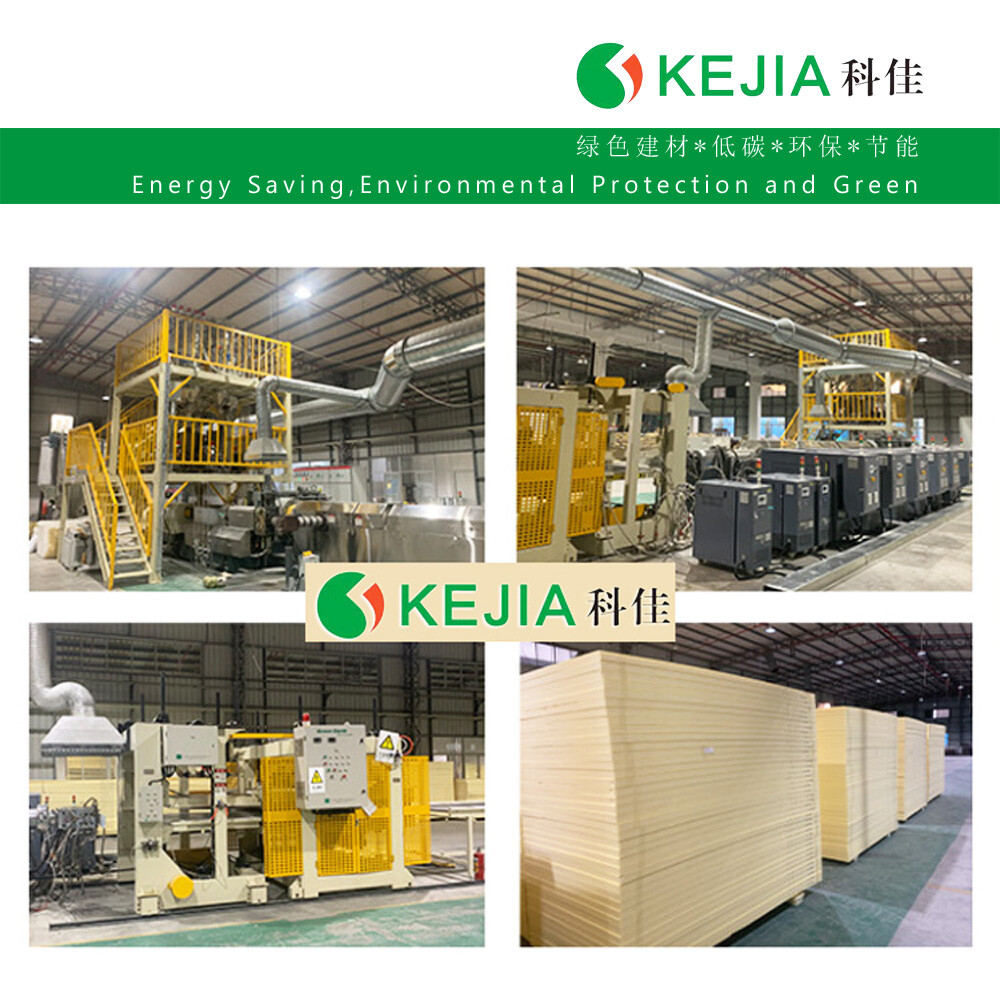
Guangdong Kejia Energy Saving Technology Co., Ltd. stands as a professional enterprise integrating research, production, sales, and technical support of environmentally friendly insulation materials. Established through the strong foundation of Shenzhen Kejia Industrial Development Co., Ltd. since 1994, the company boasts over 10,000 square meters of advanced manufacturing facilities. For purchasers, distributors, and agents seeking consistent quality, global standard compliance, and responsive service, Kejia represents a trusted partner. Its independent R&D capacity has produced XPS and composite insulation boards that combine durability, low thermal conductivity, and corrosion resistance. The company’s emphasis on green energy-saving solutions helps reduce environmental footprint and energy consumption for each construction project. By partnering with Kejia, clients benefit from comprehensive product customization, timely logistics, and reliable after-sales support. Whether your project involves skyscraper façades, underground layers, or integrated wall systems, Kejia provides proven expertise to help you achieve performance excellence and sustainability goals. For procurement consultation, technical documentation, or wholesale distribution partnerships, please contact Kejia Energy Saving’s professional service team to explore customized XPS insulation board solutions tailored to your project’s precise requirements.
News Display
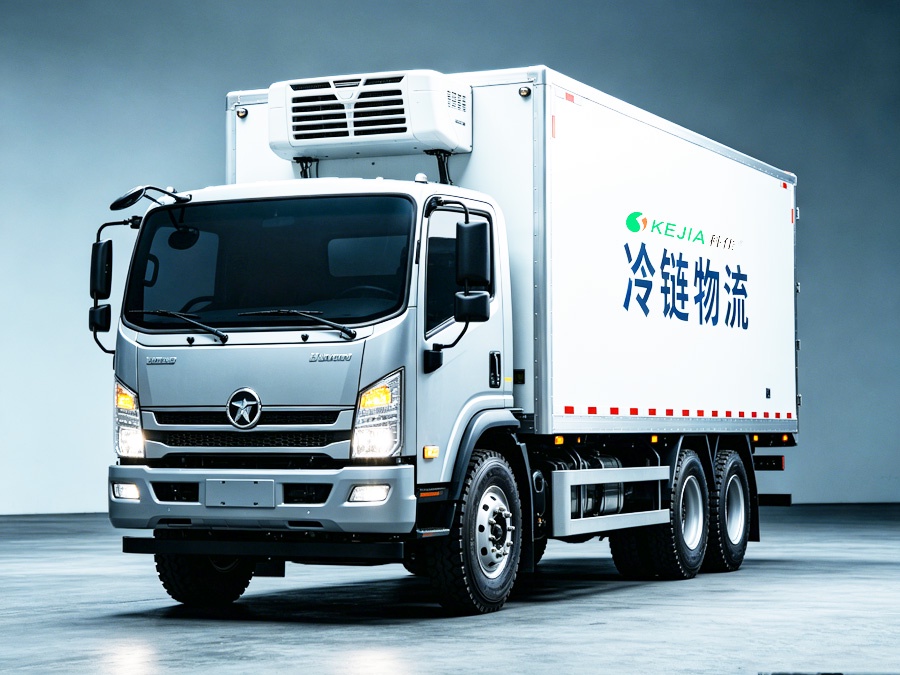
 XPS extruded board, the "king of thermal insulation" for cold storage, cold chain packaging, and refrigerated vehiclesKejia XPS board delivers durable insulation, moisture resistance, and strength for cold storage, cold chain packaging, and refrigerated vehicles.
- How to Choose the Right XPS Insulation Board for Large-Scale Construction Projects in 2026 Thermal insulation boardDiscover how to select the best XPS insulation board for large-scale construction in 2026 with Kejia’s sustainable, high-performance solutions that boost energy efficiency and project success.
- XPS Insulation Board Cost Analysis: Improve ROI and Supply Stability for Long-Term ProcurementExplore comprehensive insights on XPS insulation board cost, lifecycle ROI, and procurement stability with Kejia’s energy‑saving wall materials.
 Kejia extruded board, XPS extruded board composite board manufacturerKEJIA XPS extruded board, full name of extruded polystyrene foam board , is a new type of board with closed cell honeycomb structure made by continuous extrusion molding process with polystyrene resin as the main raw material, polymer auxiliary materials and catalyst added.
- How do you make our business long-termand good relationship?Discover expert strategies to build a long-term business relationship with effective communication, shipping management, and market protection. Partner with our experienced team.

Send Us A Message
Please give us a message