


Explore our lift solutions

Understanding the true XPS insulation board cost is essential for procurement professionals and distributors seeking stable supply and maximized ROI. This analysis explores how Kejia Energy Saving, a leading manufacturer specializing in green and energy-efficient wall materials, optimizes long-term procurement strategies through innovative product performance, reliable quality, and competitive pricing advantages. The cost of an XPS insulation board is not determined solely by its price per square meter but by its entire lifecycle performance—thermal efficiency, durability, maintenance costs, and environmental impact all contribute to the total return on investment (ROI). By evaluating how Guangdong Kejia Energy Saving Technology Co., Ltd. achieves balance among these elements, procurement teams and distributors can make informed decisions leading to stable supply chains and superior long-term economic outcomes.
Definition and Market Overview of XPS Insulation Boards
XPS insulation boards, also known as extruded polystyrene boards, are rigid foam insulation materials designed for exceptional thermal resistance and mechanical strength. They are widely applied in wall systems, roofs, floors, and cold storage projects where high compressive strength and low water absorption are required. In the modern wall materials sector, these boards play a crucial role in achieving energy-saving targets mandated by global green building standards. According to current market statistics, the demand for XPS insulation board continues to increase, particularly in regions emphasizing low-carbon construction. Procurement engineers and distributors seeking stable suppliers require products that comply with ISO and CE certifications while maintaining cost-effectiveness and high batch consistency.
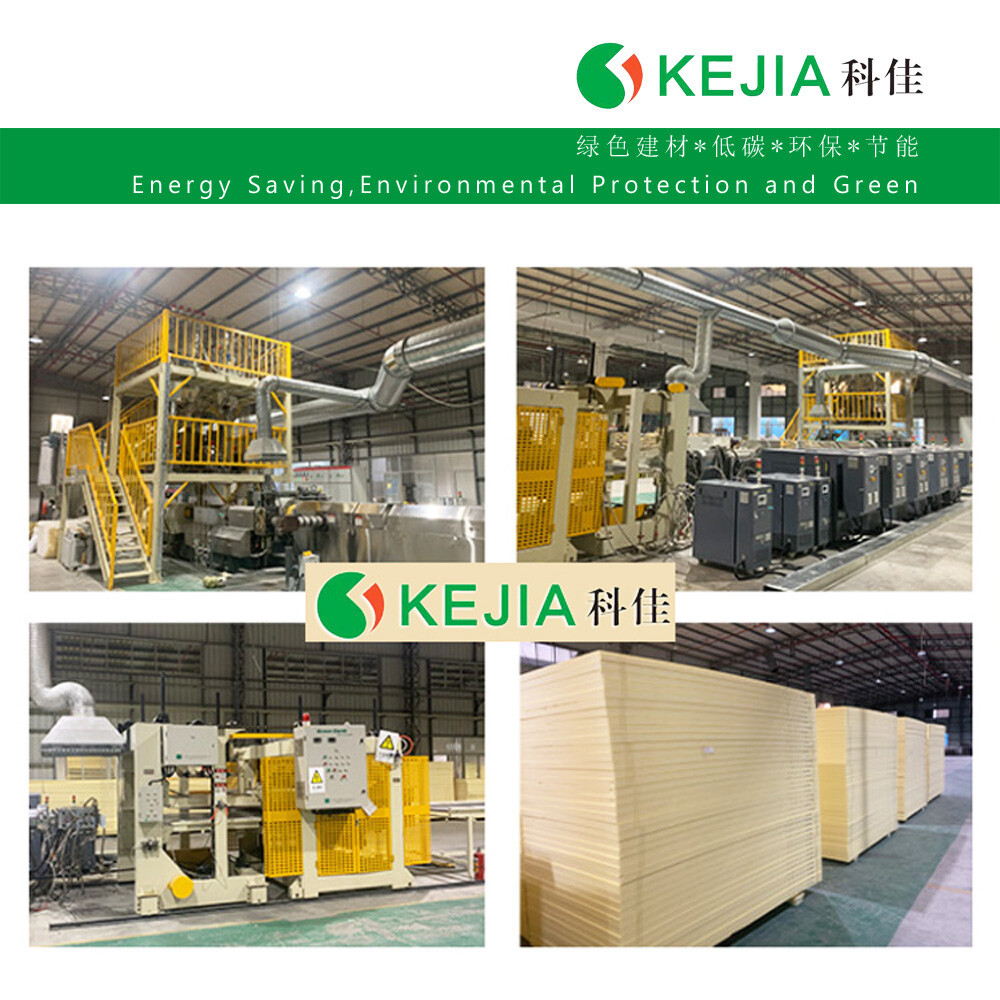
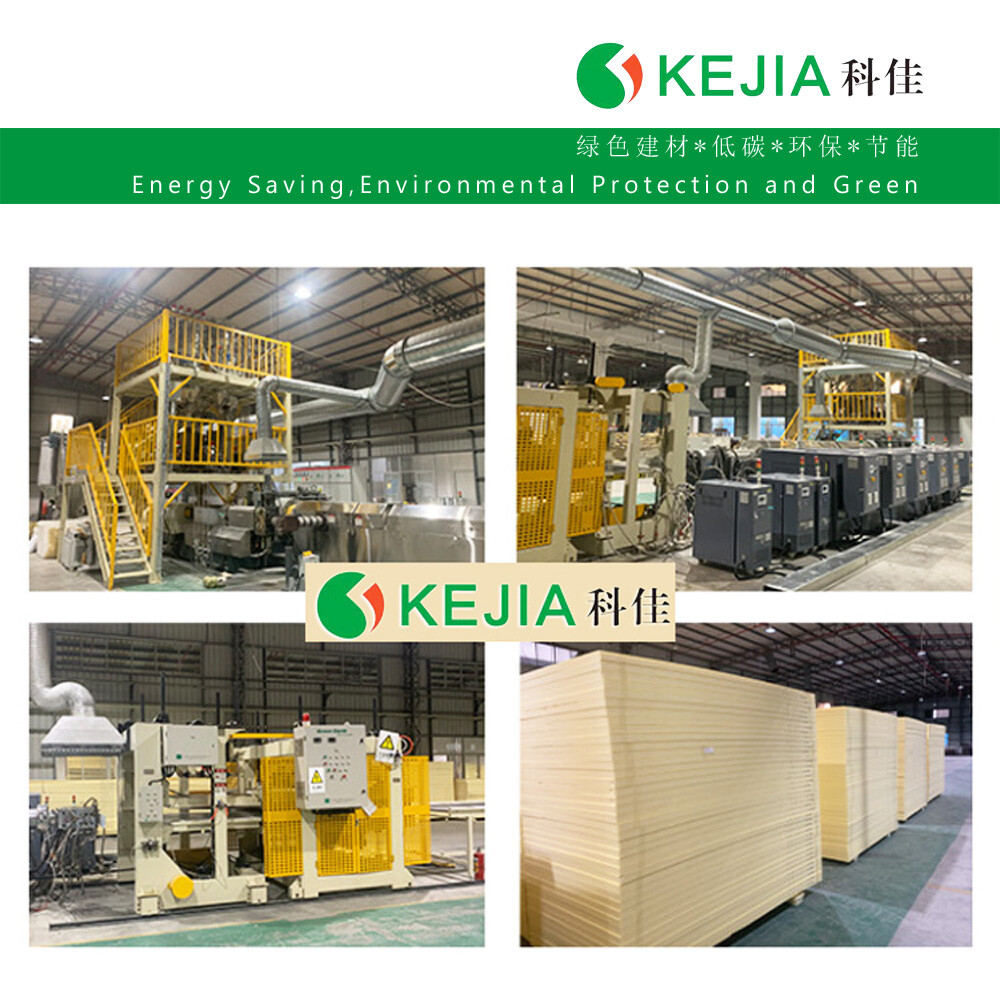
Kejia Energy Saving stands out in the field of wall material production thanks to its factory located in Weixin Industrial Park, Huizhou City, Guangdong Province. Covering more than 10,000 square meters, the company focuses on research, production, and construction for energy-efficient materials such as XPS insulation boards and new composite panels. Since its foundation by Shenzhen Kejia Industrial Development Co., Ltd. in 1994, Kejia has evolved into a globally recognized innovator in insulation technology, ensuring that all its products meet modern building and environmental standards. Its extruded insulation boards offer compressive resistance ranging from 150 to 700 Kpa, guaranteeing stability even under heavy structural loads.
Technical Performance and Economic Efficiency
When analyzing XPS insulation board cost, technical performance directly determines lifecycle value. Kejia’s boards demonstrate low thermal conductivity, enabling significant energy savings in temperature-controlled environments. Their closed-cell structure reduces water absorption to nearly zero, preventing deformation and ensuring long-term integrity. Moreover, their high sound insulation and corrosion resistance make them highly versatile for wall systems in both industrial and residential settings. From an economic point of view, procurement professionals should consider several performance-to-cost ratios: (1) the thermal resistance coefficient, (2) the effective thickness per energy unit saved, (3) compressive strength influence on maintenance frequency, and (4) recyclability for sustainability reporting. While cheaper insulation boards may initially seem attractive, those that fall short on durability or moisture protection can lead to replacement costs that double over time. Kejia’s XPS insulation board maintains a balance between initial investment and low long-term operational expense. This positions it as an optimal material for projects where total lifecycle ROI matters more than price per piece.
Application Scenarios Across Market Segments
XPS insulation boards are the backbone of modern energy-saving wall systems across diverse industries. In large residential complexes, they deliver consistent thermal control, reducing HVAC energy use by up to 30%. In industrial facilities or refrigeration warehouses, Kejia XPS insulation provides both compressive strength and low water absorption—critical for structures exposed to moisture, load fluctuation, and temperature variation. Infrastructure projects, such as subways, tunnels, and expressways, also benefit from the durability and corrosion resistance of XPS boards. For distributors and agents, application diversity directly translates into sales flexibility. Kejia’s innovation-driven product line allows partners to serve various markets without inventory overlap. Each product variant—from lightweight construction-grade XPS boards to high-density composite panels—is optimized for specific building applications. This versatility ensures that procurement departments can standardize sourcing under one reliable brand, reducing supplier management costs and improving long-term supply consistency. Such adaptability enhances negotiation power when bidding on large or government-led energy-saving projects that demand certified, eco-friendly materials.
Comparison Analysis: XPS vs. Other Insulation Materials
A clear understanding of differences between XPS insulation boards and other materials such as expanded polystyrene (EPS), polyurethane (PU) foam, and rock wool enables better purchasing decisions. Compared with EPS, XPS offers stronger compressive performance and a denser closed-cell structure, which minimizes moisture infiltration and retains consistent R-value over time. Against PU foam, XPS provides a more balanced cost structure—although PU sometimes has slightly lower thermal conductivity, its chemical stability and cost of raw materials make XPS more predictable for bulk procurement. Unlike rock wool, which is prone to water absorption and higher handling costs, XPS insulation board ensures cleanliness and efficient installation on construction sites. From a distribution standpoint, XPS boards are easier to store and transport due to their lightweight nature, leading to reduced logistics expenses. For wall material retailers operating under thin margins, these cumulative efficiencies can significantly boost profitability. Kejia Energy Saving has optimized production precision to reduce dimensional tolerance, guaranteeing easy alignment during installation and minimizing waste on-site. These micro-level improvements collectively contribute to extra cost savings across the product’s entire lifecycle.
Procurement Guide: Evaluating Cost and Long-Term ROI
Procurement professionals responsible for wall material supply chains must balance budget constraints with performance requirements. Instead of assessing only unit price, it is essential to calculate lifecycle ROI. Key indicators include durability, warranty period, installation efficiency, and compatibility with insulation systems. When comparing suppliers, consider consistency across batches and delivery reliability under large-volume orders. In Kejia Energy Saving’s procurement model, transparency, traceability, and standardized manufacturing each contribute to predictable cost structures. The company employs advanced extrusion technology, strict quality testing, and automated production lines that ensure batch uniformity. This minimizes the risk of material deviations and supports long-term procurement stability—an important factor for national-level distributors and construction developers. To simplify procurement analysis, the following table demonstrates how different cost components influence the true value of XPS board sourcing over time:
Cost & Alternatives in Market Procurement
While XPS insulation board cost differs depending on density, thickness, and regional supply chain factors, its total benefits often outweigh those of cheaper alternatives. Comparing procurement data across projects reveals that XPS achieves approximately 15–25% higher ROI over five years due to improved durability and energy performance. Alternatives such as EPS may initially appear affordable but tend to degrade faster under humid or compressive conditions. For distributors operating under multiple climate zones, a strategic blend of XPS and composite insulation materials ensures competitive edge. Kejia Energy Saving’s experience in developing new composite panels allows clients to adjust procurement based on project requirements while maintaining consistent brand quality. This flexibility helps mitigate risks caused by raw material price fluctuations or supply chain interruptions. Long-term partnership programs further provide stable pricing agreements, reducing uncertainty for annual procurement budgets and strengthening trust between manufacturer and agent networks.
Standards, Certification, and Quality Assurance
Quality and compliance are critical in the wall material industry. Kejia Energy Saving has implemented strict quality control procedures aligned with ISO9001 and environmental management standards. Each batch of XPS insulation boards undergoes multiple tests covering compressive strength, edge precision, flame retardancy, and thermal conductivity. The company also aligns with CE and domestic green building certifications, ensuring that materials meet both structural and environmental benchmarks. For procurement managers handling public or LEED-certified building projects, these certifications simplify qualification processes and ensure that supplied products satisfy progressive sustainability criteria. To reinforce reliability, Kejia continuously upgrades its production technology—reducing waste, enhancing extrusion stability, and implementing digital traceability for every product batch. As a result, its supply capability and quality stability support long-term procurement planning, even during peak construction cycles or raw material shortages.
Case Study: Enhancing ROI through Stable XPS Supply
In a large-scale commercial warehouse project in Southern China, the procurement department faced challenges balancing cost efficiency with performance stability. By partnering with Kejia Energy Saving for XPS insulation board supply, the contractor was able to achieve measurable energy cost reduction. Over two years of operation, energy savings increased by 20%, while maintenance expenses decreased due to superior compression resistance and zero moisture infiltration. The project’s ROI exceeded initial forecasts by 17%, validating the importance of evaluating lifecycle cost rather than comparing only unit price. Furthermore, the stable supply and short lead time provided by Kejia’s production facility ensured uninterrupted construction schedules, protecting the contractor from costly delays. Similar positive outcomes have been reported by distributors in regions where consistent quality and environmental certification aid market differentiation and client trust. These real-world results illustrate how the right procurement partner can optimize economic value and operational efficiency simultaneously.
Trend & Insights: Future of XPS Insulation Board Procurement
As governments strengthen carbon emission policies, the demand for high-efficiency insulation products like XPS boards is projected to increase globally. Innovations in extrusion technology are leading to superior molecular structures that further reduce thermal conductivity while enhancing recyclability. Procurement teams should anticipate stricter energy codes and increasingly prefer materials with environmental declarations (EPD) and digital traceability. Kejia Energy Saving’s continuous R&D investment ensures readiness to meet such evolving standards, allowing partners to stay competitive in environmentally conscious markets. Digital supply chain platforms are also changing how distributors manage orders, enabling data-driven cost tracking and intelligent forecasting to ensure stable sourcing. Partnering with a manufacturer capable of rapid adaptation to these technological changes ensures ongoing procurement security and cost transparency. Looking ahead, integrating green materials such as Kejia XPS insulation board into every step of architectural design and construction will not merely be an option but a regulatory necessity worldwide.
Why Choose Kejia Energy Saving
Kejia Energy Saving combines nearly three decades of manufacturing experience with cutting-edge research in insulation materials. With a 10,000-square-meter factory in Guangdong equipped with advanced production and testing facilities, the company ensures consistent product quality, competitive pricing, and reliable delivery. Its XPS insulation board line offers high compressive strength, low thermal conductivity, and outstanding moisture resistance—qualities proven by thousands of successful applications. For procurement professionals, agents, and distributors, working with Kejia means gaining a strategic partner focused on transparent pricing, flexible supply programs, and sustainable material innovation. Every customer benefits from dedicated technical support and after-sales service aimed at increasing ROI for long-term procurement. To learn more or request a tailored quotation for your next project, please contact Guangdong Kejia Energy saving Technology Co., Ltd. and experience how professional excellence translates into measurable savings and stability across your entire supply chain.
News Display
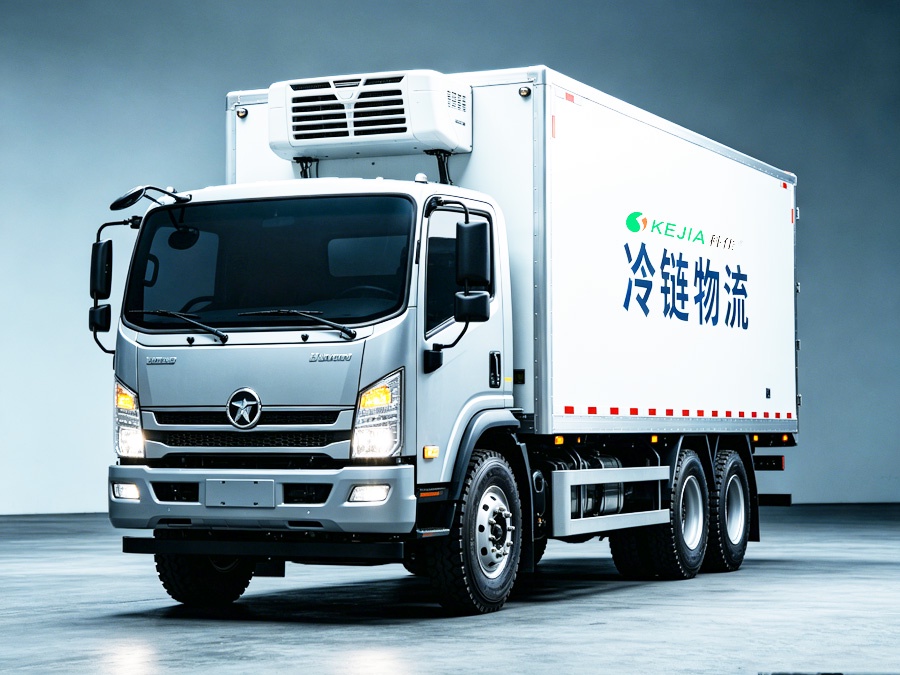
 XPS extruded board, the "king of thermal insulation" for cold storage, cold chain packaging, and refrigerated vehiclesKejia XPS board delivers durable insulation, moisture resistance, and strength for cold storage, cold chain packaging, and refrigerated vehicles.
- How to Choose the Right XPS Insulation Board for Large-Scale Construction Projects in 2026 Thermal insulation boardDiscover how to select the best XPS insulation board for large-scale construction in 2026 with Kejia’s sustainable, high-performance solutions that boost energy efficiency and project success.
- XPS Insulation Board Cost Analysis: Improve ROI and Supply Stability for Long-Term ProcurementExplore comprehensive insights on XPS insulation board cost, lifecycle ROI, and procurement stability with Kejia’s energy‑saving wall materials.
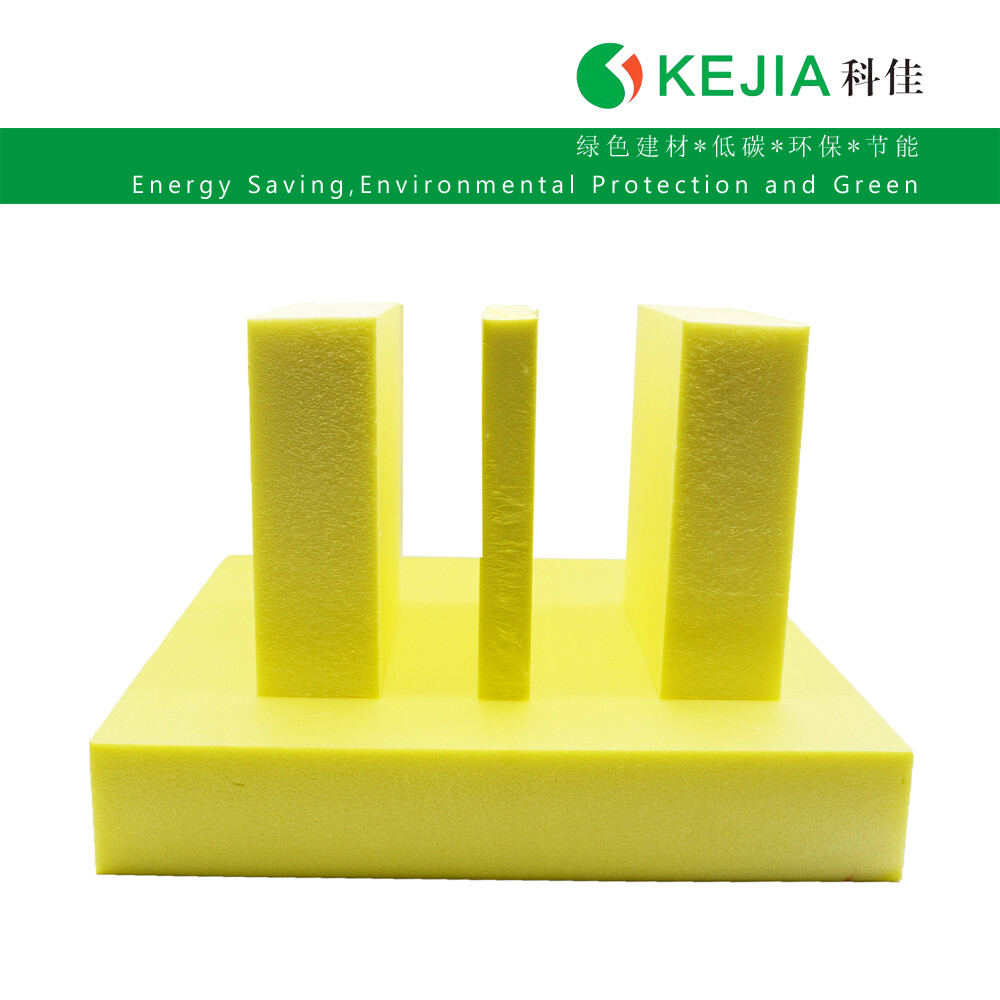
 Kejia extruded board, XPS extruded board composite board manufacturerKEJIA XPS extruded board, full name of extruded polystyrene foam board , is a new type of board with closed cell honeycomb structure made by continuous extrusion molding process with polystyrene resin as the main raw material, polymer auxiliary materials and catalyst added.
- How do you make our business long-termand good relationship?Discover expert strategies to build a long-term business relationship with effective communication, shipping management, and market protection. Partner with our experienced team.
Send Us A Message
Please give us a message